Missing teeth affect far more than your smile. They impact how you chew, how you speak, and even how your jawbone maintains its shape over time. For decades, patients had limited options: bridges, dentures, or simply living with the gap. Today, dental implants have changed that conversation entirely, and for good reason.
Table of Contents
Among all tooth replacement options available in modern dentistry, dental implants are widely considered the gold standard. They offer the closest possible match to a natural tooth, both in function and appearance, and they do something no other restoration can: they preserve the health of the jawbone underneath.
What Makes Dental Implants Different
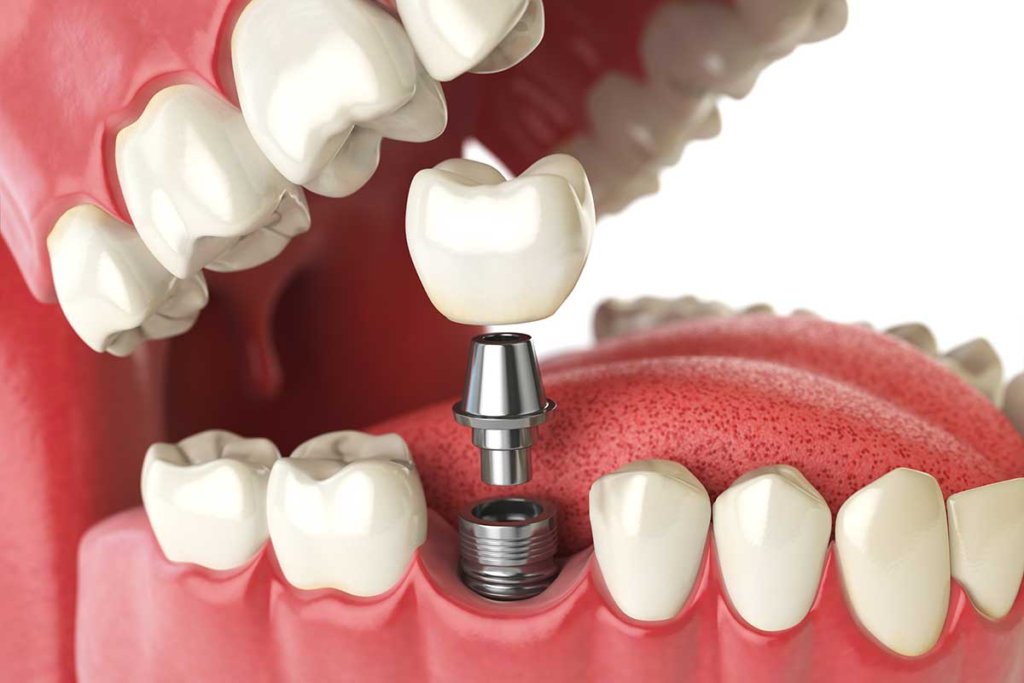
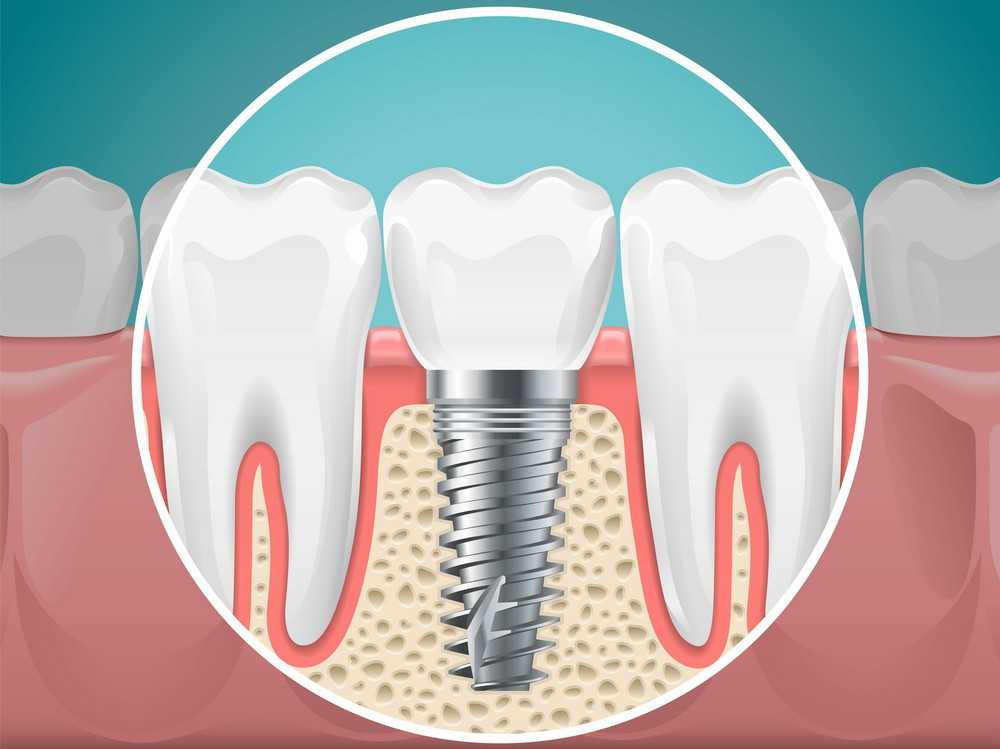
A dental implant consists of three parts: a titanium post that’s placed into the jawbone, an abutment that connects to the post, and a custom-made crown that sits on top and looks like a natural tooth. Unlike bridges or dentures, which sit on top of the gums or rely on neighboring teeth for support, an implant is anchored directly into the bone, just like a natural tooth root.
This single difference is what sets implants apart. When a tooth is lost, the jawbone beneath it begins to lose density over time because it no longer receives the stimulation it once did from chewing. Bridges and dentures don’t address this. Implants do, because the titanium post integrates with the bone through a process called osseointegration, essentially becoming a permanent part of the jaw.
Key Benefits of Dental Implants
- Preserve jawbone density – stimulate the bone just like a natural tooth root, preventing long-term bone loss
- Protect surrounding teeth – don’t require grinding down healthy neighboring teeth for support, unlike bridges
- Function like natural teeth – no slipping, clicking, or dietary restrictions
- Built to last – can last decades, often a lifetime, with proper care
- Improve speech and confidence – eliminate the movement and discomfort associated with removable dentures
Function That Feels Natural
Patients who switch from dentures to implants often describe it as life-changing. There’s no slipping, no clicking, no need for adhesives, and no dietary restrictions. Implants allow patients to eat the foods they enjoy, speak clearly, and laugh without worrying about their teeth shifting or falling out.
Built to Last
With proper care, dental implants can last decades, often a lifetime, while the crown on top may need replacement after fifteen to twenty years due to normal wear. Bridges typically need replacement every ten to fifteen years, and dentures often require relining or replacement every five to ten years as the jawbone shape changes.
When you factor in the long-term cost of replacing bridges and dentures multiple times over a lifetime, implants frequently become the more economical choice, not to mention the more comfortable one.
Who Is a Good Candidate?
Most adults with sufficient jawbone density and healthy gums are good candidates for dental implants. For patients who have experienced bone loss due to long-term tooth loss, gum disease, or injury, procedures like bone grafting or a sinus lift can rebuild the foundation needed to support an implant successfully.
Patients missing a single tooth, several teeth, or even all of their teeth can benefit from implant-based solutions. Options like All-on-4 and All-on-6 implants allow patients with significant tooth loss to receive a full arch of replacement teeth supported by just four or six strategically placed implants, avoiding the need for a removable denture altogether.
The Treatment Process
While every case is different, the general process for getting dental implants includes a few key stages:
- Consultation and imaging – a 3D scan evaluates bone density and helps plan implant placement precisely
- Implant placement – the titanium post is surgically placed into the jawbone
- Healing period – osseointegration occurs as the implant fuses with the bone over a few months
- Abutment and crown placement – once healing is complete, the final restoration is attached
For patients who feel anxious about dental procedures, sedation options, including IV and twilight sedation, can make the entire process far more comfortable from start to finish.
Frequently Asked Questions
Are dental implants painful?
Most patients report that the procedure itself is far less uncomfortable than expected, largely due to local anesthesia and sedation options. Mild soreness during the healing period is normal and typically managed with over-the-counter pain relief.
How long does the entire implant process take?
The timeline varies depending on the individual case. Healing and osseointegration typically take a few months, though some patients with sufficient bone density may qualify for same-day or accelerated treatment options.
Can I get a dental implant if I’ve lost bone density?
Yes. Bone grafting and sinus lift procedures are commonly used to rebuild the jawbone foundation, making implant placement possible even for patients who weren’t candidates initially.
Are dental implants better than dentures?
For most patients, yes. Implants don’t slip, don’t require adhesives, and help preserve jawbone density, something dentures cannot do. However, the right option always depends on individual oral health, bone structure, and personal goals, which is why a consultation is important.
How do I care for dental implants?
Dental implants are cared for just like natural teeth: regular brushing, flossing, and routine dental visits. Because they’re not susceptible to decay like natural teeth, the main focus is on maintaining healthy gums around the implant.
Is the cost of dental implants worth it?
While the upfront cost is higher than that of bridges or dentures, the long-term value is often greater. Implants are designed to last for decades with proper care, reducing the need for repeated replacements over time.
Ready to Explore Dental Implants?
If you’re missing one or more teeth and want to understand whether dental implants are the right solution for you, a consultation is the best place to start. A thorough evaluation, including imaging and a discussion of your goals, can help determine the most suitable treatment plan, whether that’s a single implant, multiple implants, or a full arch solution like All-on-4 or All-on-6.