When it comes to replacing a full arch of missing teeth, patients today have more options than ever before. Dentures have been around for generations. Implant supported bridges have become increasingly common. All-on-4 has grown significantly in popularity over the last decade. And yet, for a growing number of patients who want the most stable, most natural feeling full arch solution available, All-on-6 implants consistently stand out as the option that delivers the highest level of long-term performance.
Table of Contents
The reason comes down to a simple principle: more implants mean more support. But the full picture is more nuanced than that, and understanding why All-on-6 outperforms other full arch solutions in terms of stability helps patients make a genuinely informed decision about which option is right for their situation.
Patients exploring All on 6 implants in Agoura Hills who want to understand what makes this treatment different from the alternatives will find a clear, honest breakdown in this guide.
How Full Arch Implant Solutions Work
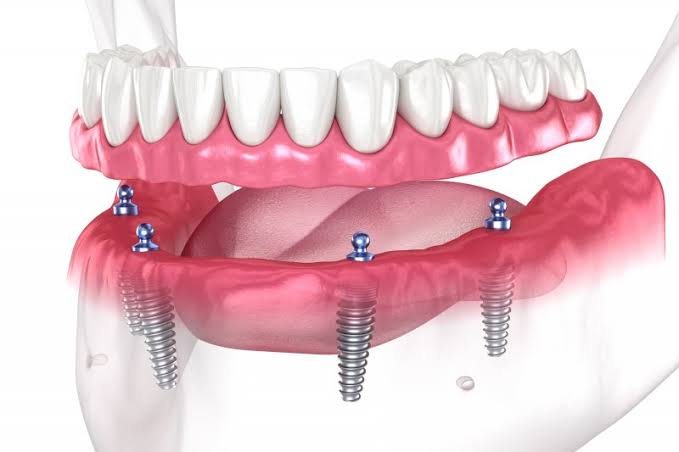
Before comparing options, it helps to understand what all full arch implant solutions share in common. In each case, a fixed prosthesis, a full set of replacement teeth, is anchored to a series of titanium implants placed into the jawbone. The implants act as artificial tooth roots, providing the foundation that holds the prosthesis in place and stimulates the bone underneath to prevent the density loss that occurs when natural teeth are missing.
The key variables between different full arch solutions are how many implants are used, where they are placed, and how the load of biting and chewing is distributed across those implants over time. These variables have a direct impact on stability, longevity, and the overall performance of the restoration.
All-on-4: A Strong Option With Specific Limitations
All-on-4 uses four strategically placed implants to support a full arch prosthesis. Two implants are placed vertically at the front of the jaw, and two are placed at an angle toward the back. The angled placement is a key design feature that allows the posterior implants to engage more bone without requiring the patient to have significant bone density at the very back of the jaw.
For many patients, All-on-4 is an excellent solution. It works particularly well for patients with bone loss in the posterior jaw who might not be candidates for implants placed further back without bone grafting. The angled placement compensates for this by maximizing the use of available bone in the areas where density is best preserved.
The limitation of All-on-4 becomes more apparent when the prosthesis is under heavy functional load over time. With only four points of support, the forces generated by biting and chewing are distributed across fewer implants. For patients with a strong bite, heavier bone structure, or a larger prosthesis, this can place more stress on each individual implant than a six-implant configuration would.

Why Six Implants Change the Equation
All-on-6 adds two additional implants to the support structure, bringing the total to six. These additional implants are typically placed in the posterior region of the jaw in an upright position, which changes the distribution of load across the entire prosthesis in meaningful ways.
Here is what six implants do differently compared to four:
- More evenly distributed bite force — with six points of contact rather than four, the pressure generated during chewing is spread more evenly across the jaw, reducing the stress on any single implant
- Greater surface area of osseointegration — six implants provide more total contact between titanium and bone, which means a stronger, more stable foundation once healing is complete
- More stable posterior support — upright posterior implants provide a more natural load distribution along the back of the jaw where most chewing force is generated
- Better long-term bone preservation — more implants stimulating more areas of the jawbone supports healthier bone maintenance across a larger portion of the arch
Who Benefits Most From All-on-6
The additional stability offered by All-on-6 makes it particularly well suited to certain patient profiles. Understanding who benefits most helps clarify when this option is the right recommendation over alternatives.
Patients with sufficient bone density across the arch to support six upright implants are the most straightforward candidates. Unlike All-on-4, which uses angled posterior implants to compensate for bone loss, All-on-6 works best when the bone architecture can accommodate a more evenly distributed placement pattern.
Patients with a heavier bite, larger jaw structure, or those who have previously experienced implant complications related to load distribution often find that All-on-6 full arch restoration provides a more secure and comfortable long-term result than a four-implant configuration.
Patients who place a high priority on long-term stability and are willing to invest in the most robust full arch solution available also tend to gravitate toward All-on-6 once they understand the functional differences between the options.

The Treatment Process for All-on-6
For patients considering All-on-6, understanding what the treatment process actually involves helps set realistic expectations from the start.
The journey begins with a comprehensive consultation that includes 3D cone beam imaging to assess bone density, volume, and the precise location of nerves and sinuses. This imaging is essential for planning the exact position of all six implants before any surgery takes place.
Once the treatment plan is finalized, the surgical phase involves placing all six implants in a single procedure under local anesthesia, with sedation available for patients who prefer a more comfortable experience. A temporary prosthesis is typically placed on the same day, allowing patients to leave with a functional set of teeth while osseointegration takes place over the following months.
After the healing period, during which the implants fuse with the surrounding bone, the final permanent prosthesis is fabricated and attached. This prosthesis is custom designed to match the patient’s facial features, bite mechanics, and aesthetic goals, resulting in a restoration that looks and functions as close to natural teeth as modern dentistry can achieve.
Comparing All-on-6 to Dentures and Bridges
It is worth briefly addressing how All-on-6 compares to the alternatives that patients most commonly consider before deciding on a full arch implant solution.
Traditional dentures sit on top of the gums and rely on suction or adhesive for retention. They do not stimulate the jawbone, which means bone loss continues over time. They can slip during eating and speaking, restrict certain foods, and require regular adjustment as the shape of the jaw changes beneath them.
Implant supported bridges offer more stability than dentures but typically involve fewer implants than All-on-6, which means similar load distribution limitations to All-on-4 in some configurations.
All-on-6 implant supported teeth eliminate the slipping, the dietary restrictions, and the progressive bone loss associated with dentures, while offering a more robust support structure than solutions that use fewer implants. The result is a restoration that patients consistently describe as feeling the most like natural teeth of any full arch option available.
FAQs
How is All-on-6 different from All-on-4?
All-on-6 uses six implants rather than four, providing more points of support, better load distribution, and greater overall stability. All-on-4 uses angled posterior implants to compensate for bone loss, while All-on-6 typically uses upright placement across a broader portion of the arch.
Am I a good candidate for All-on-6 implants?
Most patients with sufficient bone density across the arch are good candidates. A consultation with 3D imaging will give you and your dentist a clear picture of whether All-on-6 is appropriate for your specific bone structure.
How long do All-on-6 implants last?
With proper care and regular dental visits, All-on-6 implants can last decades. Many patients keep their implants for a lifetime, with only the prosthesis potentially needing replacement after many years of normal wear.
Is the All-on-6 procedure painful?
The surgical phase is performed under local anesthesia, and sedation options are available. Most patients report less discomfort than they expected, with manageable soreness during the healing period.
How long does it take to get All-on-6 implants from start to finish?
The full process typically takes several months from initial placement to final prosthesis delivery, depending on healing time and individual case complexity.
Considering All-on-6 Implants?
All-on-6 implants offer one of the most stable, natural feeling full arch solutions available in modern dentistry. If you are missing most or all of your teeth and want a permanent restoration built to last, a consultation is the best place to start.

Agoura Advanced Dentistry serves patients across Agoura Hills, Calabasas, Westlake Village, Thousand Oaks, Oak Park, and Malibu. Call us or visit our website to schedule your All-on-6 consultation today.