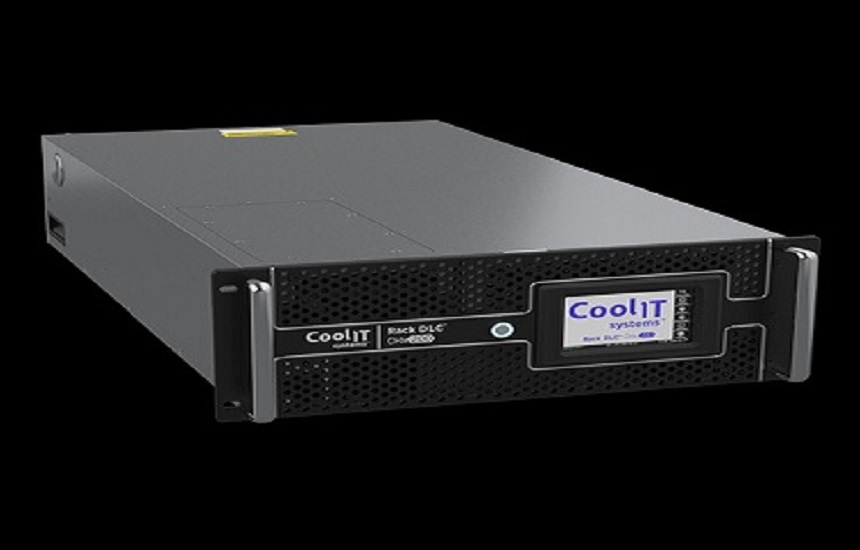
As modern data centres continue to evolve, managing heat has become one of the most significant operational challenges. High-performance computing systems, AI workloads, and dense server deployments generate immense thermal loads. Traditional air cooling often struggles to maintain stable operating temperatures. This is where a rack CDU becomes a crucial component in advanced liquid cooling environments. A cooling distribution unit regulates the flow of coolant between the facility cooling loop and the server cooling loop.
Table of Contents
- Understanding the Role of a Rack CDU in Liquid Cooling
- Why Advanced Data Centres Are Moving Toward Liquid Cooling
- The Importance of Reliable Temperature Control
- Rack Mounted CDU Systems and Their Role in Data Centre Design
- Improving Operational Safety with CDU Leak Detection System Technology
- Supporting High-Density Computing Environments
- Energy Efficiency and Sustainability Benefits
- Designing Scalable Cooling Architectures
- Monitoring and Control in Modern Cooling Systems
- Integrating Leak Detection for Infrastructure Protection
- The Future of Rack-Based Liquid Cooling
- Conclusion
Understanding the Role of a Rack CDU in Liquid Cooling
By delivering controlled coolant flow and temperature stability, it ensures that high-density hardware operates safely and efficiently. A reliable rack CDU serves as the interface between facility water systems and the liquid cooling loops within server racks. It manages coolant pressure, temperature regulation, and circulation via cold plates or other cooling components integrated into computing hardware.
Instead of relying entirely on room-level cooling equipment, rack-based cooling distributes liquid precisely where it is needed. This approach allows infrastructure managers to maintain stable temperatures even in high-density racks, especially when integrated with advanced cooling technologies such as CHx200.
Key functions
- Regulates coolant flow between the facility and server loops
- Maintains safe pressure levels for sensitive components
- Transfers heat efficiently away from servers
- Ensures stable temperature control within racks
- Supports liquid cooling architecture for dense workloads
By performing these functions, the system ensures consistent cooling performance without excessive energy consumption.
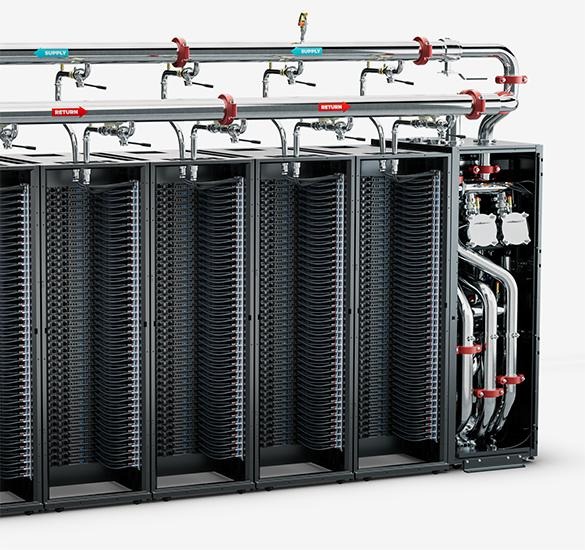
Why Advanced Data Centres Are Moving Toward Liquid Cooling
Data centres supporting artificial intelligence, machine learning, and cloud computing platforms generate enormous heat output. Air cooling alone is often insufficient for these environments.
Liquid cooling provides several advantages:
- Higher heat transfer efficiency compared with air
- Reduced energy consumption
- Better thermal stability for processors and GPUs
- Increased rack density without overheating risks
- Improved overall infrastructure reliability
To manage these systems effectively, a reliable coolant distribution mechanism is essential. That mechanism is typically provided by the Coolant Distribution Unit, which integrates management directly into server racks.
The Importance of Reliable Temperature Control
Temperature fluctuations can negatively impact server performance and hardware lifespan. A rack-based cooling system ensures consistent thermal conditions by controlling coolant flow rates and maintaining optimal temperatures.
In an advanced liquid-cooling infrastructure, an in-rack CDU monitors system parameters and adjusts flow rates to maintain stability. This continuous monitoring reduces the risk of overheating and supports stable processing performance for demanding workloads.
Rack Mounted CDU Systems and Their Role in Data Centre Design
A rack mounted CDU integrates cooling control hardware into standard server rack configurations. This design allows data centre operators to deploy cooling without major facility modifications.
Benefits of rack-mounted CDU integration
- Simplifies installation within existing rack infrastructure
- Supports modular data centre expansion
- Allows cooling to scale alongside computing demand
Because of their compact design, rack-mounted systems help organizations expand computing capacity while maintaining thermal efficiency.
Improving Operational Safety with CDU Leak Detection System Technology
Liquid cooling systems must maintain strict safety standards. Even small coolant leaks can pose risks to sensitive electronic equipment. A CDU leak detection system is designed to monitor the cooling infrastructure and detect any unexpected fluid loss. Early detection allows operators to take corrective action before damage occurs.
Features of leak detection technology
- Continuous monitoring of coolant pathways
- Early identification of potential leaks
- Automatic alerts for facility managers
- Reduced risk of equipment failure
Supporting High-Density Computing Environments
Modern data centres are increasingly designed for high rack power densities. AI servers, GPU clusters, and advanced computing nodes generate far more heat than traditional workloads. A well-designed rack coolant distribution unit enables these high-density systems to operate efficiently by ensuring that cooling loops provide sufficient heat-removal capacity.
Advantages for high-density racks
- Maintains stable processor temperatures
- Enables higher computing performance
- Reduces throttling caused by overheating
- Supports next-generation hardware deployments
With proper liquid cooling distribution, data centres can support higher processing loads without compromising thermal stability.
Energy Efficiency and Sustainability Benefits
Energy efficiency has become a major priority for modern infrastructure operators. It can account for a significant portion of a facility’s energy consumption. Liquid cooling combined with a properly configured in rack CDU can significantly reduce power usage by improving heat transfer efficiency.
Efficiency improvements include
- Reduced reliance on high-power fans
- Improved power usage effectiveness
- Better sustainability performance
These improvements help organizations meet environmental goals while maintaining a reliable computing infrastructure.
Designing Scalable Cooling Architectures
Scalability is essential for growing digital infrastructure. As computing demands increase, data centres must expand without introducing new thermal management problems. A modular cooling architecture that includes a rack mounted CDU enables operators to scale infrastructure efficiently.
Scalable design advantages
- Modular rack-level cooling deployment
- Easy integration into existing server environments
- Flexible expansion for additional racks
- Improved thermal management as capacity grows
By using scalable cooling distribution technology, facilities can maintain consistent thermal performance even as workloads increase.
Monitoring and Control in Modern Cooling Systems
Integrated monitoring systems within an in-rack CDU provide detailed data about cooling performance. This information allows facility engineers to optimize operations and prevent potential issues before they escalate. Monitoring tools also help maintain long-term system reliability by providing insight into equipment performance and cooling efficiency.
Integrating Leak Detection for Infrastructure Protection
Protection mechanisms are essential in any cooling environment. The coolant distribution unit leak-detection system serves as an early-warning layer, identifying abnormal fluid behavior. With proper detection systems in place, operators can isolate affected components quickly and prevent broader system disruptions. Product solutions such as the CHx200 are designed to support advanced monitoring and protection capabilities within modern liquid cooling infrastructures. These safety measures are especially important in high-density computing environments where downtime can have significant operational consequences.
The Future of Rack-Based Liquid Cooling
As computing demands continue to rise, it will become increasingly important to maintain system stability. Rack-level cooling distribution is expected to play a central role in next-generation infrastructure design, especially as advanced data centre development continues to expand across regions such as Alberta.
Technologies such as improved coolant monitoring, intelligent flow control, and advanced detection systems will further enhance efficiency. Organizations investing in liquid cooling infrastructure are positioning themselves to support future workloads while maintaining reliable thermal management.
Conclusion
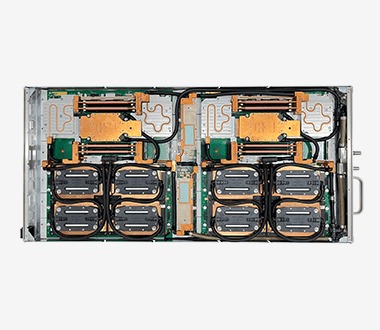
Advanced computing environments require precise thermal management to maintain reliability and performance. It provides the control necessary to support high-density servers and demanding workloads. By managing coolant flow, maintaining stable temperatures, and enhancing infrastructure safety, these solutions help data centres operate more efficiently. As liquid cooling technology continues to evolve, industry innovators such as CoolIT Systems are helping shape the next generation of high-performance data centre cooling infrastructure.
FAQs
What is a rack CDU in data centre cooling?
A cooling distribution unit that manages coolant flow between facility systems and server loops. It ensures proper temperature control and efficient heat removal from high-performance computing equipment.
Why is a CDU important for liquid cooling systems?
A CDU delivers coolant directly within server racks, reducing heat transfer distance and improving efficiency. This approach allows high-density servers to maintain stable operating temperatures.
What are the benefits of using a rack mounted CDU?
A rack mounted CDU integrates management within the server rack itself. It improves space efficiency, simplifies installation, and allows modular expansion, a practical solution for growing data centre environments in technology hubs such as Calgary.
How does a CDU leak detection system improve safety?
A leak detection system monitors coolant pathways and identifies leaks early. This helps prevent equipment damage and allows operators to address issues before they affect critical infrastructure.
Are liquid cooling systems more efficient than air cooling?
Yes. It removes heat more efficiently than air cooling, allowing servers to operate at higher densities while consuming less energy for thermal management.