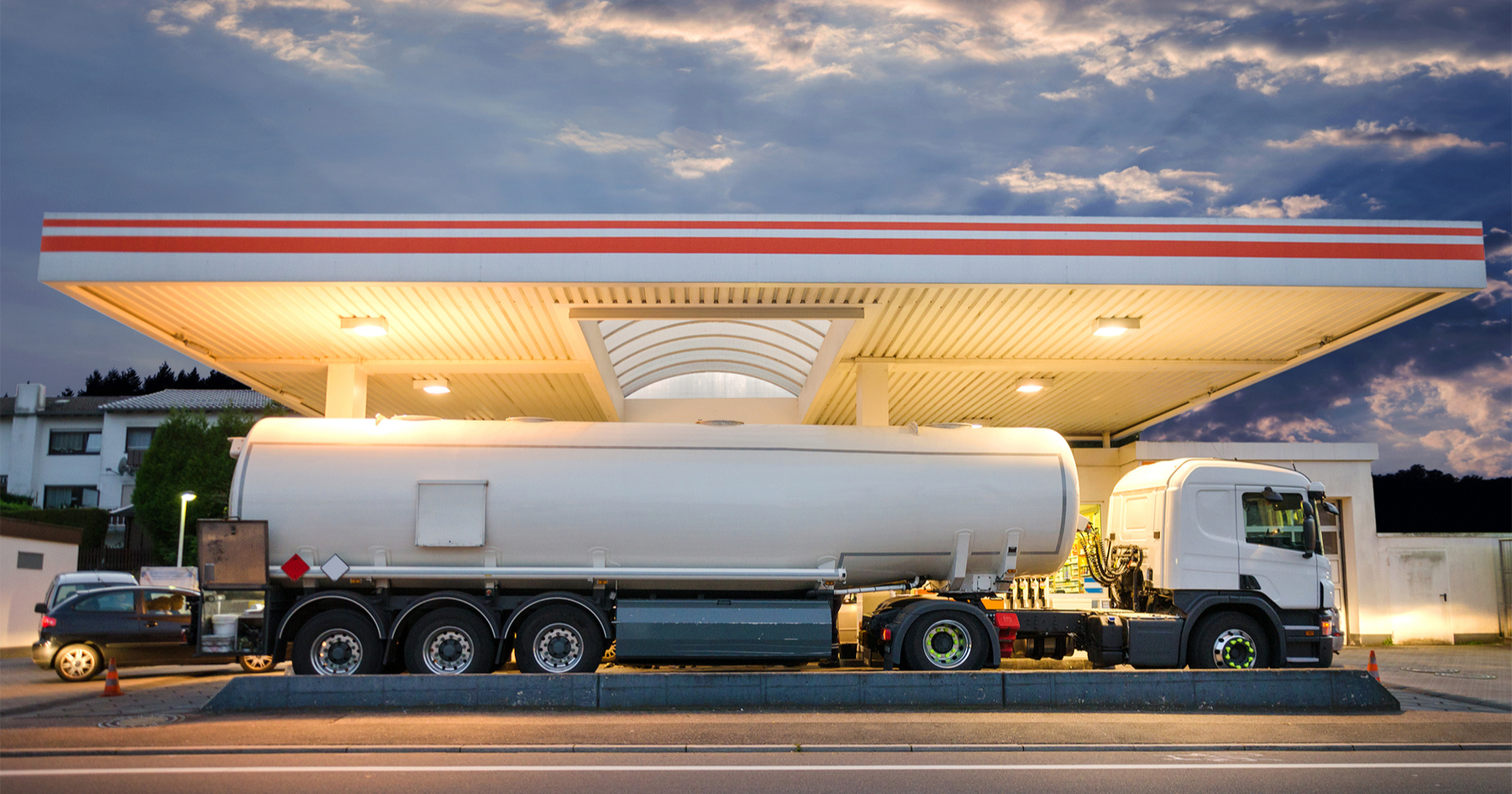
As the global conversation around sustainability grows louder, businesses are increasingly expected to adopt environmentally friendly practices. For companies that depend on fuel to operate, such as those in transportation, manufacturing, or agriculture, integrating sustainability into fuel sourcing has become a significant challenge. This is where the role of fuel suppliers becomes crucial. By offering sustainable fuel options, introducing innovative solutions, and encouraging eco-friendly practices, fuel suppliers are actively shaping the future of green business operations.
Table of Contents
- The Evolving Role of Fuel Suppliers
- How Fuel Suppliers Help Businesses Achieve Sustainability Goals
- FAQs: About Fuel Suppliers and Sustainability
- 1. How can fuel suppliers help businesses reduce their carbon footprint?
- 2. Are there sustainable fuel alternatives for industries that rely on heavy-duty vehicles?
- 3. How do fuel suppliers track and report emissions associated with their fuel?
- 4. Can fuel suppliers help businesses transition to renewable energy sources?
- 5. What role do fuel suppliers play in sustainability certifications?
- Conclusion
Fuel suppliers, including gasoline suppliers, diesel suppliers, and oil companies, play a crucial role in promoting sustainability across various industries. Their influence extends beyond just providing fuel; they help businesses make responsible decisions regarding their fuel consumption, energy usage, and environmental impact. In this guide, we’ll explore how fuel suppliers are game-changers in supporting sustainable business practices, driving industries to reduce their carbon footprint, and paving the way for a more sustainable future.
The Evolving Role of Fuel Suppliers
Traditionally, They have been seen as providers of gasoline, diesel, and other types of fuel required to keep industries running. However, with the growing need to combat climate change and reduce greenhouse gas emissions, fuel suppliers are transforming. They are no longer just fuel vendors; they are becoming partners in a larger movement toward sustainability. Their efforts are evolving in the following ways:
1. Introduction of Eco-Friendly Fuel Alternatives
In the past, businesses relied almost entirely on traditional fuels like gasoline and diesel, which are fossil fuels and contribute to environmental degradation. Today, fuel supplier is at the forefront of providing more sustainable fuel alternatives, including biofuels, renewable diesel, and even hydrogen fuel. These alternatives are crucial for industries looking to reduce their environmental footprint.
For example, diesel suppliers have started offering renewable diesel made from waste oils, fats, and plant materials. This renewable fuel is chemically identical to traditional diesel but with a significantly lower carbon footprint. It helps businesses cut down on greenhouse gas emissions and meet sustainability goals without sacrificing performance. Similarly, gasoline suppliers are increasingly providing ethanol-blended gasoline, which reduces carbon emissions and supports cleaner air quality.
In addition, oil companies are investing in developing cleaner technologies such as carbon capture and storage (CCS), which can capture CO2 emissions produced during fuel combustion and store them safely underground. This innovation paves the way for a more sustainable approach to fossil fuel usage.
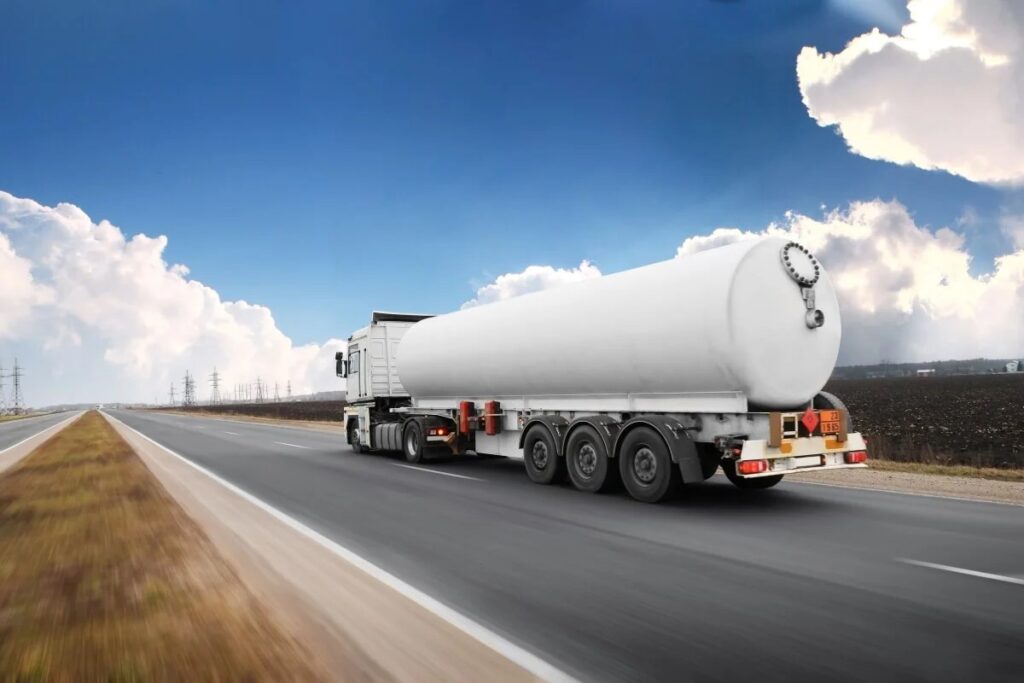
2. Providing Renewable Energy Solutions
Fuel suppliers, particularly gas companies, are also expanding their product offerings to include natural gas as a cleaner alternative to traditional fossil fuels. While natural gas is still a non-renewable resource, it produces fewer carbon emissions than coal or oil, making it a transitional energy source in the shift toward cleaner energy.
Moreover, fuel suppliers are investing in renewable energy infrastructure. Many companies are branching into solar, wind, and bio-energy sectors, allowing businesses to source their energy from renewable sources. These innovations help them diversify their portfolios and play a more active role in the global push toward net-zero emissions.
3. Supply Chain Transparency and Sustainability Practices
Sustainability doesn’t stop at the fuel provided. Fuel suppliers are increasingly adopting transparent supply chain practices, allowing businesses to track the origin of their fuel, its environmental impact, and the emissions associated with its transportation. This transparency helps businesses make more informed decisions when selecting fuel sources.
For instance, diesel suppliers may offer carbon offset programs, which allow businesses to mitigate the emissions generated by their fuel use. This could involve investing in renewable energy projects or forestry initiatives that capture and store carbon. Additionally, many of them are now providing certifications that demonstrate the environmental impact of the fuel they provide, helping businesses showcase their sustainability efforts to stakeholders and customers.

4. Educating Businesses on Sustainable Fuel Practices
They also play an important role in educating businesses on how to use fuel more efficiently and sustainably. This includes offering guidance on optimizing fuel consumption, using cleaner fuels, and investing in energy-efficient technologies.
By providing consulting services and tailored solutions, fuel suppliers help businesses reduce fuel waste, improve fleet management, and implement best practices that contribute to a more sustainable operation. For example, gasoline suppliers may advise customers on how to improve vehicle fuel efficiency through better driving practices, proper maintenance, and the use of fuel additives that reduce emissions.
How Fuel Suppliers Help Businesses Achieve Sustainability Goals
Sustainable business practices go beyond just switching to renewable energy. They also include reducing waste, improving energy efficiency, and minimizing carbon footprints. They contribute significantly to these objectives:
1. Fuel Efficiency Optimization
By providing high-quality fuels, fuel suppliers enable businesses to optimize fuel efficiency. Cleaner, high-performance fuels burn more efficiently, which reduces the amount of fuel needed to run vehicles or machinery. This not only helps businesses save money but also reduces emissions and lowers their carbon footprint.
For instance, corporate tank monitors from fuel suppliers help businesses track fuel consumption in real time. By monitoring fuel usage, fleet operators can identify inefficiencies and take steps to optimize operations. This might include adjusting driving routes, improving engine maintenance, or using energy-efficient equipment—all of which contribute to a more sustainable operation.

2. Enabling Green Certifications and Compliance
Many businesses strive to meet green certification standards, such as ISO 14001 or LEED (Leadership in Energy and Environmental Design). They can help businesses achieve these certifications by providing cleaner, environmentally friendly fuel alternatives and assisting with compliance. Whether it’s offering biofuels or helping businesses offset carbon emissions, fuel suppliers play a key role in helping companies maintain their environmental certifications.
Furthermore, tank monitoring services provided by suppliers help businesses track their fuel usage and emissions, providing the necessary data to comply with local environmental regulations. This enables businesses to show their commitment to sustainability, both internally and externally.
3. Reducing Reliance on Fossil Fuels
One of the most impactful ways fuel suppliers contribute to sustainability is by helping businesses reduce their reliance on fossil fuels. Many oil companies are expanding their focus to include renewable energy sources, such as wind and solar power. This shift allows businesses to gradually transition away from conventional fossil fuels to cleaner, more sustainable energy options.
By providing fuel alternatives like compressed natural gas (CNG) or electric vehicle (EV) charging infrastructure,these suppliers are making it easier for businesses to embrace cleaner technologies, reduce their emissions, and support global efforts to combat climate change.
FAQs: About Fuel Suppliers and Sustainability
1. How can fuel suppliers help businesses reduce their carbon footprint?
Fuel suppliers provide cleaner, more efficient fuel options like biofuels and renewable diesel that help businesses reduce their emissions. Many suppliers also offer carbon offset programs to further mitigate the environmental impact of fuel usage.
2. Are there sustainable fuel alternatives for industries that rely on heavy-duty vehicles?
Yes, diesel suppliers are increasingly offering renewable diesel and biodiesel, which reduce emissions compared to traditional diesel. These alternatives are especially beneficial for industries like logistics and construction that rely heavily on heavy-duty vehicles.
3. How do fuel suppliers track and report emissions associated with their fuel?
Many tank monitoring companies provide systems that allow businesses to track fuel consumption and associated emissions. Suppliers may also offer certifications and reports that document the environmental impact of their fuel products.
4. Can fuel suppliers help businesses transition to renewable energy sources?
Yes, many fuel suppliers are expanding into renewable energy, offering options like solar or wind power. They may also provide guidance and infrastructure support for businesses transitioning to greener energy sources.
5. What role do fuel suppliers play in sustainability certifications?
Fuel suppliers assist businesses in achieving sustainability certifications by providing eco-friendly fuel options and ensuring compliance with environmental standards. They also offer tools like carbon offset programs and renewable energy solutions to help businesses meet certification criteria.

Conclusion
The role of fuel suppliers in sustainability is becoming more important as businesses and industries strive to reduce their environmental impact. From providing cleaner fuel alternatives and optimizing fuel efficiency to offering transparency and helping companies achieve sustainability certifications, they are instrumental in driving change. As companies continue to prioritize environmental responsibility, they will remain key players in helping them meet their goals and make a significant positive impact on the planet.
By embracing sustainable fuel options and working with tank monitoring services, businesses can reduce their carbon footprint, improve operational efficiency, and stay ahead of regulatory requirements. With the support of forward-thinking fuel suppliers, companies are better equipped to navigate the challenges of sustainability and create a greener, more sustainable future.