Selecting the right custom made stencils is more than choosing a design; it is about ensuring long-term durability, accurate marking, workplace efficiency, and compliance with industry standards. Whether you work in manufacturing, construction, utilities, oil and gas, transportation, or municipal operations, professionally produced stencils help create clear, repeatable markings that improve safety and organization. This guide explains the key factors to consider when choosing the right stencil solution for your business while following best practices used across Canadian industries.
Table of Contents
- Why Choosing the Right Custom Made Stencils Matters
- Understanding Different Types of Custom Stencils
- Choosing the Right Material
- Consider the Surface You’ll Be Marking
- Selecting the Correct Size
- Importance of Font Selection
- Reusable vs Single-Use Stencils
- Weather Resistance for Canadian Conditions
- Accuracy Is Critical
- Supporting Industrial Identification Systems
- Local Manufacturing Benefits
- Quality Control Matters
- Working with Experienced Manufacturers
- Best Practices for Long-Term Stencil Performance
- Conclusion
Why Choosing the Right Custom Made Stencils Matters
Industrial environments require markings that remain legible despite frequent use, harsh weather, chemicals, dust, and heavy traffic. Poor-quality stencils often produce inconsistent markings, wear out quickly, and increase replacement costs.
High-quality custom made stencils help businesses:
- Produce consistent identification markings.
- Improve workplace safety
- Support inventory management
- Reduce marking errors
- Increase operational efficiency
- Maintain compliance with internal identification standards.
From warehouses to fabrication facilities, selecting the correct stencil can make daily operations more efficient while reducing maintenance requirements.
Understanding Different Types of Custom Stencils
Not every application requires the same stencil design. The intended use determines the ideal material, thickness, size, and lettering style.
Letter and Number Stencils
These are commonly used for:
- Equipment identification
- Storage locations
- Shipping containers
- Asset management
- Warehouse organization
They provide consistent markings for repetitive applications.
Logo and Branding Stencils
Organizations often require branded markings for:
- Company identification
- Packaging
- Fleet equipment
- Storage bins
- Manufacturing assets
Professionally designed stencils ensure logos remain accurate across multiple applications.
Safety Marking Stencils
Safety stencils help identify:
- Emergency exits
- Hazard zones
- Walkways
- Fire equipment
- Restricted areas
Clear markings contribute to safer workplaces and improve visual communication.
Choosing the Right Material
The stencil material significantly affects performance and lifespan.
Mylar
Mylar remains one of the most popular choices because it offers:
- Excellent flexibility
- Moisture resistance
- Easy cleaning
- Reusability
- Smooth paint application
It is suitable for repeated industrial use.
Polypropylene
Polypropylene works well where additional flexibility is needed. It resists chemicals and moisture while remaining lightweight.
Stainless Steel
For demanding industrial applications involving abrasive environments or chemical exposure, stainless steel provides exceptional durability and long service life.
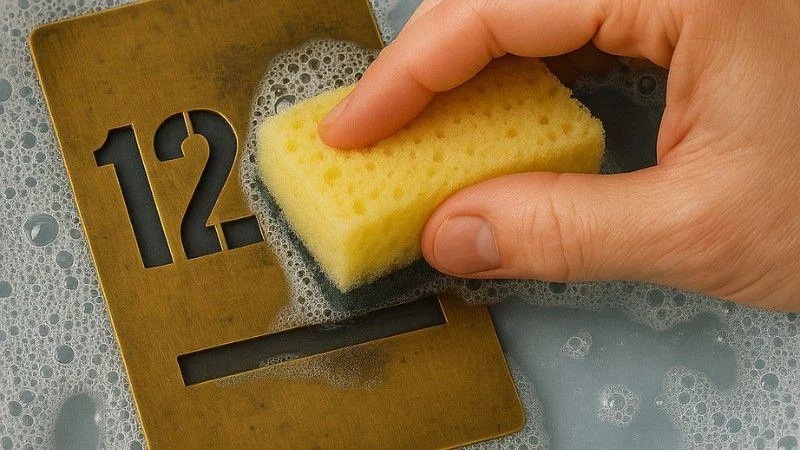
Consider the Surface You’ll Be Marking
The surface type directly affects stencil performance. Common marking surfaces include:
Concrete Floors
Ideal for:
- Traffic lanes
- Parking areas
- Warehouse aisles
- Safety zones
Metal Equipment
Frequently used for:
- Machinery
- Storage tanks
- Maintenance identification
Wood
Useful for:
- Shipping crates
- Lumber identification
- Construction materials
Plastic Containers
Common within warehouses for inventory management and logistics. Selecting the proper stencil material ensures crisp markings regardless of the surface.
Selecting the Correct Size
Stencil size should match viewing distance. Smaller lettering works well for:
- Equipment labels
- Asset numbers
- Storage bins
Medium-sized lettering suits:
- Inventory control
- Production areas
- Warehouse shelving
Large lettering improves visibility for:
- Loading docks
- Outdoor facilities
- Construction sites
- Safety warnings
Proper sizing improves readability and reduces confusion.
Importance of Font Selection
Industrial fonts should prioritize readability rather than decorative appearance. Recommended characteristics include:
- Bold lettering
- Consistent spacing
- Simple character shapes
- High visibility
- Easy reproduction
Well-designed fonts reduce marking mistakes and improve long-term identification.
Reusable vs Single-Use Stencils
Many businesses ask whether reusable or disposable stencils are the better choice.
Reusable Stencils
Ideal for:
- Manufacturing facilities
- Warehouses
- Municipal operations
- Industrial maintenance
- Fleet management
They provide excellent long-term value.
Single-Use Stencils
Best suited for:
- One-time projects
- Temporary construction
- Special events
- Short-term identification
Selecting the appropriate option depends on project frequency.
Weather Resistance for Canadian Conditions
Canadian weather presents unique challenges. Outdoor markings should withstand:
- Snow
- Ice
- Rain
- UV exposure
- Temperature fluctuations
- Road salt
High-quality custom stencils in Calgary are often selected with these environmental conditions in mind, helping businesses maintain legible markings throughout changing seasons.
Accuracy Is Critical
Industrial identification often includes:
- Serial numbers
- Equipment IDs
- Safety warnings
- Product codes
- Inspection markings
Precision cutting ensures every marking remains readable and consistent. Accurate stencils reduce operational errors while improving workplace efficiency.
Supporting Industrial Identification Systems
Many facilities integrate stencil markings with:
- Asset labels
- Equipment tracking
- Inventory systems
- Maintenance schedules
- Safety documentation
Using standardized marking systems creates a more organized workplace and simplifies inspections. Similarly, combining stencil applications with a durable nameplate tag system provides long-lasting identification for machinery, electrical panels, and operational assets.
Local Manufacturing Benefits
Working with a Canadian supplier offers practical advantages. Benefits include:
- Faster production
- Easier communication
- Reduced shipping time
- Better understanding of local regulations
- Reliable customer support
Businesses looking for custom stencils often value local expertise when selecting industrial marking solutions that meet regional operational requirements.
Quality Control Matters
Before ordering, verify that your stencil supplier offers:
- Precision cutting
- Material recommendations
- Design verification
- Production consistency
- Industrial-grade materials
- Clear quality standards
These factors contribute to better marking accuracy and longer product life.
Working with Experienced Manufacturers
Experience matters when creating custom industrial identification products. A knowledgeable manufacturer understands:
- Industrial environments
- Material compatibility
- Application methods
- Industry standards
- Durability requirements
For businesses requiring dependable industrial marking solutions, Industrial Nameplates provides experience in manufacturing identification products designed for demanding industrial applications across Canada.
Best Practices for Long-Term Stencil Performance
To maximize stencil lifespan:
- Clean after each use.
- Store flat whenever possible.
- Avoid excessive bending.
- Use compatible paints and coatings.
- Inspect regularly for wear.
- Replace damaged stencils promptly.
Routine maintenance helps maintain marking accuracy over many production cycles.
Conclusion
Selecting the right custom made stencils involves more than choosing a design. Material selection, durability, precision, surface compatibility, weather resistance, and readability all influence long-term performance. Businesses that invest in well-designed stencil solutions benefit from clearer identification, improved workplace organization, and consistent markings across industrial operations. Evaluating your operational requirements carefully ensures you choose a solution that delivers reliable results for years while supporting safe and efficient workflows.
Frequently Asked Questions
What industries commonly use custom made stencils?
Manufacturing, construction, oil and gas, utilities, transportation, municipalities, logistics, and warehouses frequently use custom made stencils for identification, safety markings, inventory control, and equipment management.
What material is best for reusable industrial stencils?
Mylar is widely preferred because it combines flexibility, durability, chemical resistance, and ease of cleaning, making it suitable for repeated industrial applications.
How do I choose the correct stencil size?
Consider the viewing distance, application surface, and information being displayed. Larger lettering improves visibility, while smaller sizes work well for equipment and inventory identification.
Can custom stencils be used outdoors?
Yes. Industrial-grade stencil materials are designed to withstand Canadian weather conditions when used with suitable paints or coatings for outdoor environments.
Can stencils work alongside industrial tags and nameplate systems?
Absolutely. Many organizations combine stencil markings with industrial tags and a durable nameplate tag system to create comprehensive equipment identification programs.
Choosing the right stencil can improve identification accuracy, workplace safety, and operational efficiency for years to come. Discover the map location for professionally engineered custom stencil solutions tailored to your industry’s requirements and how precision marking can simplify your daily operations.