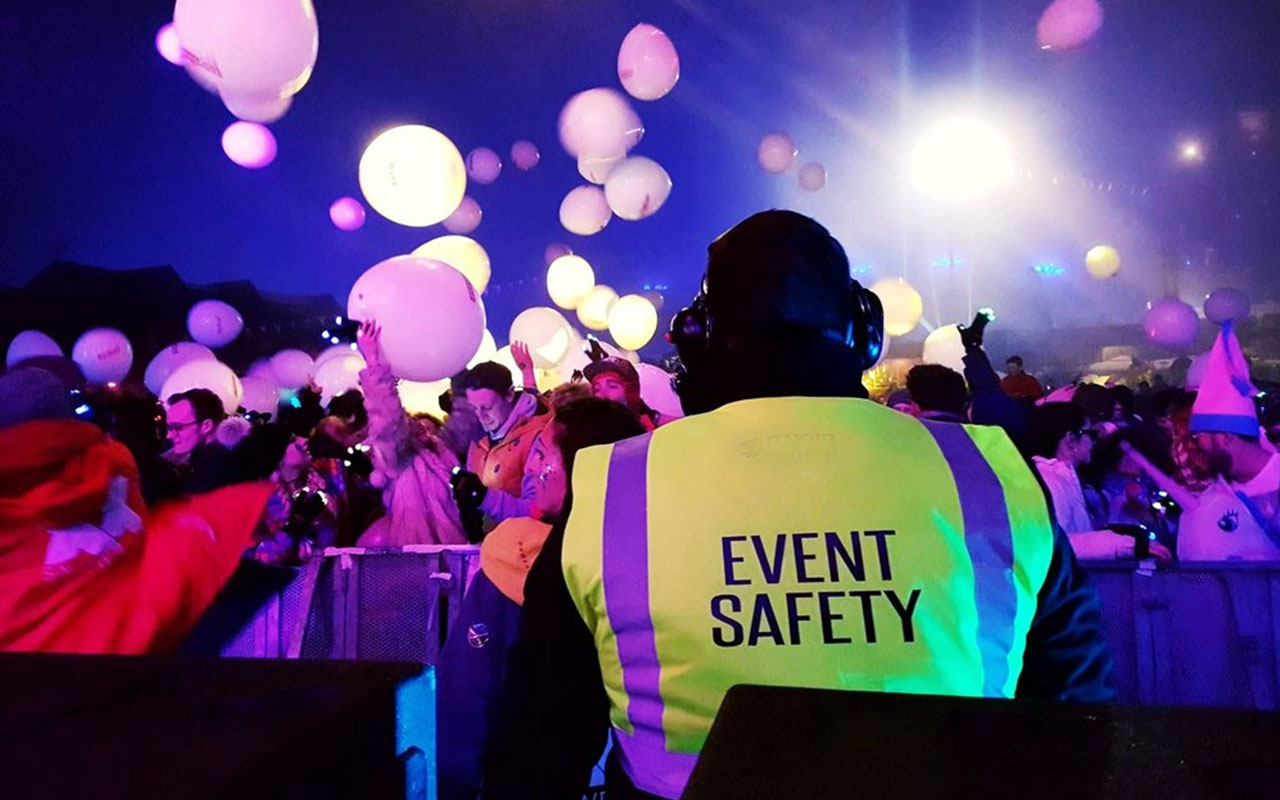
Hosting a special event, whether it’s a concert, festival, conference, or sporting event, requires meticulous planning and attention to detail. Ensuring the safety and security of attendees stands as one of the utmost important responsibilities in event planning. With the ever-present threat of unforeseen incidents, implementing robust security measures is paramount. In this comprehensive guide, we’ll delve into the essential steps and strategies for effectively managing security at special events.
Conducting a Thorough Risk Assessment
Before embarking on security planning for an event, it’s imperative to conduct a thorough risk assessment. This involves identifying potential threats and vulnerabilities unique to the event, such as the venue’s location, the size of the crowd expected, and the nature of the event itself. It’s advisable to collaborate with security experts and local authorities during this process to ensure a comprehensive understanding of the risks involved and to gather insights on potential blind spots. By conducting a rigorous risk assessment, event organizers can better prioritize security measures and allocate resources effectively to safeguarding occasion.
Developing a Comprehensive Security Plan
Once the risks have been identified through the assessment, the next step is to develop a detailed security plan. This plan should outline specific protocols, procedures, and responsibilities for all stakeholders involved in ensuring the event’s security. It’s crucial to base the security plan on the findings of the risk assessment to address vulnerabilities adequately. Factors to consider include the number of security personnel required, deployment strategies, access control measures, and protocols for emergency response. Clear communication channels between security teams, event staff, and emergency services should also be established to facilitate seamless coordination during the event.
Implementing Access Control Measures
Effective access control is fundamental to maintaining security at special events. This involves implementing physical barriers, checkpoints, and credentialing systems to regulate entry and prevent unauthorized access. Measures such as bag checks and metal detectors should be employed at entry points to detect prohibited items and enhance security screening procedures. By implementing robust access control measures, event organizers can significantly reduce the risk of security breaches and ensure the safety of attendees.
Surveillance and Monitoring
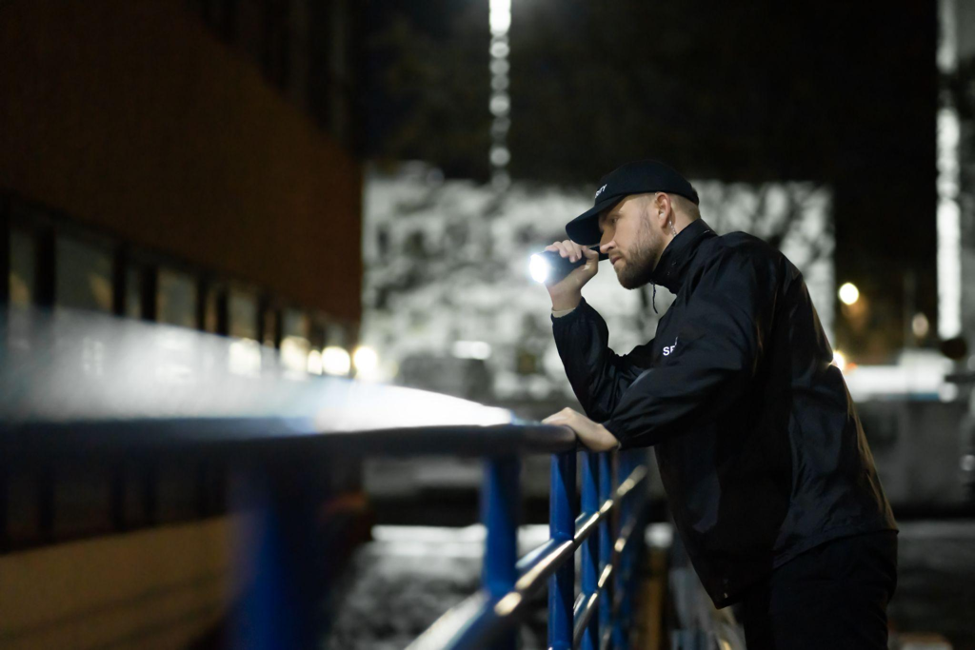
Deploying surveillance cameras and monitoring systems throughout the venue enhances situational awareness and enables security personnel to respond promptly to potential threats. Advanced technology such as CCTV cameras, drones, and mobile surveillance units can be utilized to monitor crowd activity and detect security breaches. By leveraging surveillance and monitoring technologies, event organizers can enhance the overall security posture of the event and ensure a swift response to any security incidents.
Crowd Management Strategies
Managing large crowds presents unique challenges in event security. To maintain order and minimize the risk of incidents such as stampedes or overcrowding, it’s essential to develop crowd management strategies. This may include designating specific entry and exit points, establishing designated seating areas, and deploying trained personnel to monitor crowd behavior and intervene when necessary. By proactively managing crowd dynamics, event organizers can mitigate potential risks and create a safer environment for attendees.
Emergency Response and Crisis Management
Preparing for unforeseen emergencies is essential for effective event security. Event organizers should develop a comprehensive emergency response and crisis management plan that outlines procedures for various scenarios, including medical emergencies, fires, or security breaches. Conducting regular emergency drills and training exercises ensures that all staff members are equipped to respond effectively in high-pressure situations. By prioritizing emergency preparedness, event organizers can minimize the impact of crises and ensure the safety of all attendees.
Collaborating with Law Enforcement and Emergency Services
Establishing strong partnerships with local law enforcement agencies, emergency security services, and first responders is critical for enhancing event security. Collaboration with these entities enables event organizers to share intelligence, coordinate response efforts, and facilitate swift emergency response in the event of a crisis. By working closely with law enforcement and emergency services, event organizers can leverage their expertise and resources to effectively mitigate security risks and ensure the safety of everyone involved.
FAQs
How far in advance should I start planning event security?
It’s recommended to start planning event security several months in advance to allow sufficient time for risk assessment, planning, and coordination with security stakeholders.
What qualifications should security personnel have?
Security personnel should possess relevant training and certifications in areas such as crowd management, first aid, conflict resolution, and emergency response.
How can I assess the effectiveness of my security plan?
Conduct post-event debriefings and evaluations to assess the effectiveness of your security plan, identify areas for improvement, and implement necessary adjustments for future events.
Conclusion
Ensuring safety for special event security requires careful planning, collaboration, and proactive measures. By conducting thorough risk assessments, developing comprehensive security plans, and implementing effective security measures, event organizers can create a safe and secure environment for attendees. By prioritizing security and adopting best practices, you can host successful events that leave a lasting positive impression on attendees while safeguarding their well-being.